


 In New York, a common practice is actually against health department regulations when it comes to the care of pets.
In order to legally kennel dogs in most states, you are required to obtain a kennelling license. This license requires the kennel owners to follow a set of rules and regulations set by the state. This practice was started to ensure the safety of the pets. However, with the apps like Rover and DogVacay gaining popularity in urban areas, it’s become harder to regulate. This is because with these apps, the sitter and clients can decide whether the dog will be cared for at the client’s house or boarded with the sitter.
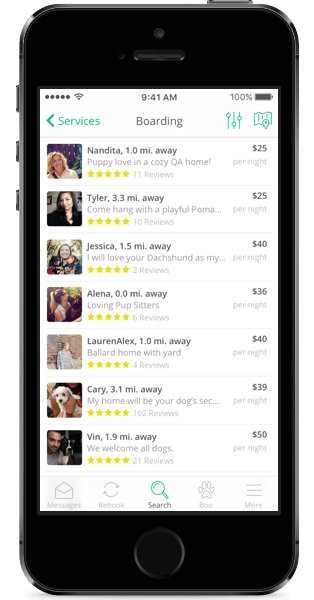
from Rover.com
The biggest question being asked is, what’s the difference between professionally kennelling your dog and home-boarding your dog through an app. If the only thing you’re concerned about it saving some money, then home-boarding is probably the route you’d take. With apps like the ones mentioned above, they do require pet-sitter screenings however they are not required to have a license, and the main reason at-home boarding is cheaper.
In Michigan, when you are working under a kennel license (you are considered a kennel is you house 26 or more dogs throughout the year,) you are responsible for “adequately and comfortably housing any dog kept thein during any season of the year.” This means legally, your dog must be kept in a temperature controlled room that is cleaned regularly and the kennels themselves have to be clean of all debri and feces. All individual kennels must have their own water and food available. The state requires that a dog warden completes inspections to ensure the laws are being met.
States like New York and California are concerned that those not operating under their state’s licensing law could be bringing pets into unsafe or unsanitary homes. Those who had to go through proper accreditation and training to become a petcare provider, like Tammy Karecki, worry that these apps are going to attract inexperienced pet owners to become pet boarders via do-it-yourself app. Karecki attended the city-required course to obtain her permit and said, “I have to do it, so I think everybody should have to do it.”

On the flip side, lots of people are quitting their jobs to pursue pet-sitting and dog walking full-time. Tanoopa Jaikaran left her marketing job last year to join the world of pet-tech. She normally sits in the clients’ home but has recently agreed to take some pets into her personal home. “We want to do everything the right way,” she said, but “it’s a really hard pill to swallow right now.”
“It’s not realistic to think that somebody who may not make $400 a year pet-sitting has to have a $400 license, compared to somebody who runs a full-blown dog day care and grooming facility,” says Colorado Republican Rep. Lois Landgraf. She also mentioned her constituents were surprised to find out they needed licenses to board pets, even if it is occasionally.
Jaikaran said, “We do this because we love it.”
How do you think states should tackle these apps? Should they be required to regulate or is that the sacrifice you make to get more personalized pet-care?
***These regulations do NOT apply to watching a “friend’s” pet as a favor. Mom, you’re safe.***