


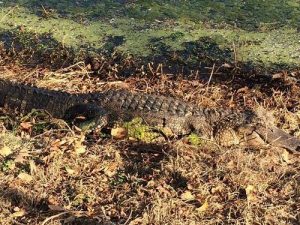
via inaturalist.com
But first, let me take a selfie. Wildlife Officials of North Carolina are encouraging alligator safety but also asking people to take photos first.
The big question with this is the “why?” Why do scientists need photos of alligators specifically?
Let’s start with some general gator knowledge. Typically alligators are found in the southern most states on the east coast. They are cold blooded creatures that use the sunlight to create body heat, therefore it would be tough to survive in a state that has body of waters dropping below 40 degrees.
Now you might be thinking, “Did they migrate to North Carolina at one point and not leave?” According the North Carolina Wildlife officials, they have actually always been there! Despite the cold temperatures that the state faces during the winter, alligators have managed to survive. Cold blooded creatures, like gators, don’t migrate when it gets cold, they brummate.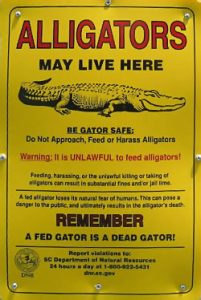
Brumation is a term used for the hibernation-like state cold blooded creatures use to bear harsher weather. Brumation is different from hibernation because the animal won’t fall into a deep sleep. Instead, they conserve energy by becoming lethargic. Yes, being lazy is actually a survival skill for some species.
During the day, if the sun is shining or they are able to create a micro-climate that is warmer ( ex: burrowing,) then they can be active and fully functioning.
Because of this, it’s more difficult to track alligators. In North Carolina, the most northern state inhabited by alligators,) they are considered a protected species. Officials of the Wildlife Resources Commision Diversity Program want to be able to map out where the gators are throughout the state. By being able to find the most populated areas of the state they can easily observe how colder climates affects reproduction and growth size.
If you plan on making a trip to North Carolina soon, keep this in mind. Those who want to help with gator observation can upload and geotag their photos on inaturalist.com. This is the official site that the North Carolina Wildlife Officials are using to study these creatures.
Want to get involved in your own state? Check out inaturalist.com. You can make an account and look at the over 100,000 species already being observed!
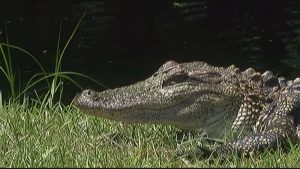
DISCLAIMER: You should absolutely follow all alligator safety guidelines when participating in this!!
Gator Safety From NC Wildlife Resource Commision
• Do not intentionally feed an alligator no matter what its size.
• Do not throw food into waters where alligators may be found.
• Fishermen should dispose of fish scraps in garbage cans, and not throw them into the water.
• Do not feed ducks, geese, other waterfowl or fish in areas where alligators have been seen.
• Follow local leash laws or otherwise keep pets on a leash in areas where alligators could potentially occur.
• Never leave children unattended near any body of water.
• Don’t allow pets to swim, exercise or drink in or near waters that may contain alligators.
• Be particularly cautious between dusk and dawn when alligators are most active.
• Do not harass or provoke any alligator. •
Children and adults should never approach an alligator or any other large wild animal. •
If the alligator is in a residence or place of business, or interrupting traffic on a public road, call WRC at 800-662-7137.
• Install a fence with a minimum height of 4.5 feet around retention ponds, lakes, or other bodies of water that might attract alligators
• Install bulkhead along edges of lakes and waterways
• Add grates to culvert pipes
• Fence causeways between ponds
• Minimize vegetation growing in water or near the water’s edge
For technical assistance with exclusion or habitat modification call 919-707-0050. Alligator hunting or otherwise killing an alligator is prohibited in North Carolina. Only authorized wildlife biologists and wildlife officers can remove problem alligators.